Fashion on a Budget: Thrifting and Discount Shopping Tips
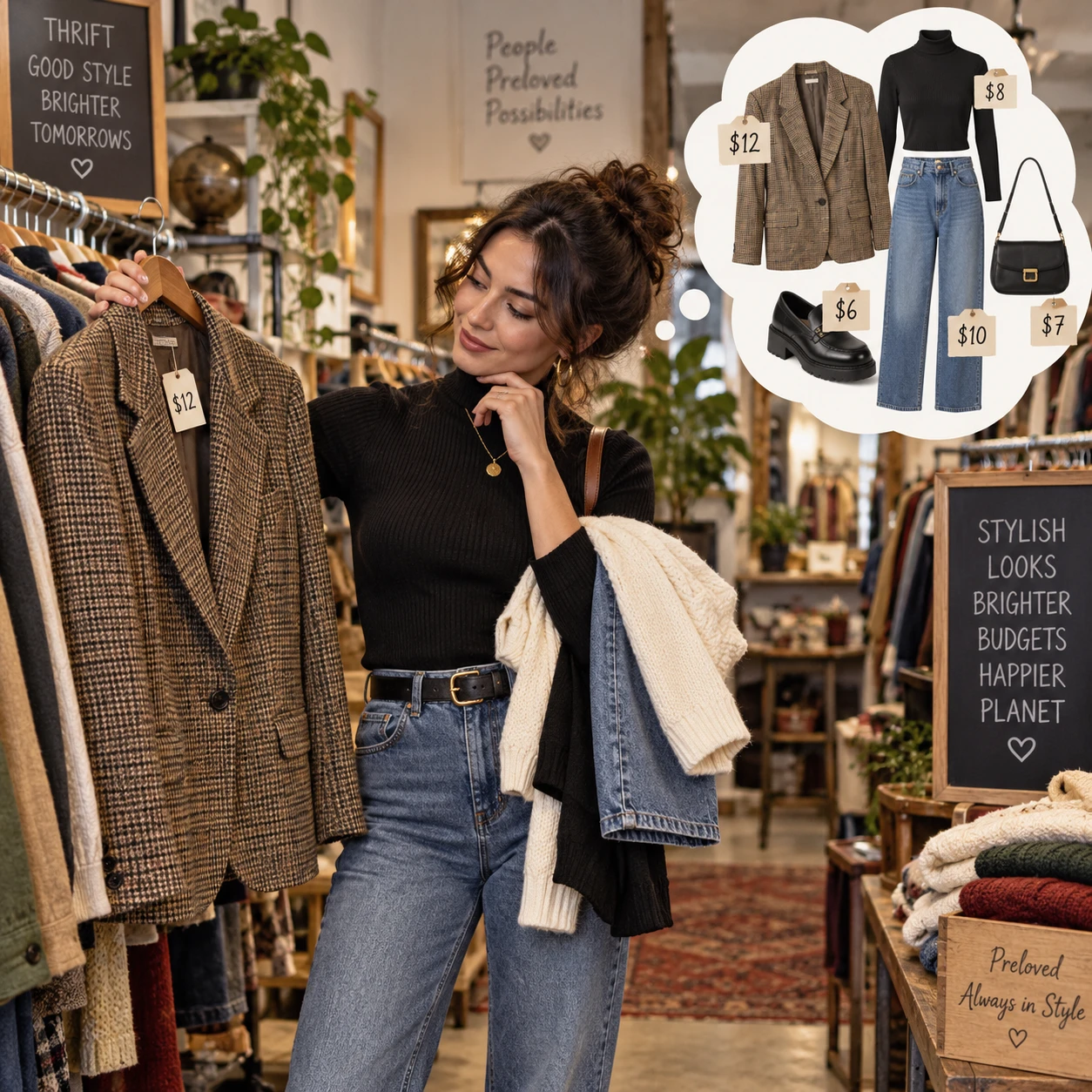
Looking stylish does not require buying every trend at full price. With a clear budget, a little patience, and a few reliable quality checks, thrift stores, consignment shops, and discount retailers can help you build outfits that feel personal and wearable.
The key is to shop for pieces that work with your real life, not just for low price tags. Start with what your wardrobe is missing, check how each item fits and holds up, and consider how often you will wear it before you buy.
Start with a clothing budget and a plan
Set a clothing spending limit, identify the gaps in your wardrobe, and make a short shopping list before you browse. A plan helps you spend on useful pieces instead of buying something simply because it looks like a bargain.
Choose a monthly or seasonal amount that fits your finances, then leave room for essentials such as replacing worn jeans or buying a coat for changing weather. If your budget is tight, a smaller limit can still work; the goal is to make your spending intentional, not to hit a particular number.
Next, take a quick inventory. Notice what you reach for often, what no longer fits, and which items would make existing outfits easier to wear. Your list might include a washable work blouse, straight-leg trousers, or a warm cardigan. Keep it specific enough to guide you, but flexible enough to let you consider a good alternative.
- Set a maximum spend before entering a store or opening a shopping app.
- List the wardrobe gaps that would solve real outfit problems.
- Note colors, fabric preferences, and fit details that suit pieces you already own.
- Use a waiting period for nonessential purchases; revisit the item after a day before deciding.
A capsule wardrobe can help with this process. Think of it as a small group of versatile pieces that coordinate well, rather than a strict uniform. A new skirt is more useful if it works with several tops and shoes you already own.
Know where to find affordable fashion
Thrift stores, consignment shops, discount retailers, and sale sections offer different advantages, so choose the shopping channel that suits the item you need. Thrift stores may have one-off secondhand clothing at varied prices, while discount retailers often carry new stock in more predictable sizes.
Thrift stores are useful when you have time to browse and are open to unexpected colors, brands, or silhouettes. Inventory changes often, and sizing can be inconsistent, so allow time to inspect each piece and try it on where possible.
Consignment shops usually accept selected items for resale and may offer a more edited range. Prices can be higher than at a general thrift store, but the selection may be easier to navigate. Check the shop’s return policy and inspect the item just as carefully as you would anywhere else.
Discount retailers and sale sections can be convenient for basics, current sizes, or specific needs. Seasonal sales may bring down prices on items such as coats at the end of winter or warm-weather clothes near the end of summer. Sizes and colors may be limited, and a marked-down price is still money spent.
- Choose thrifting when you have a clear idea of what you want but can be flexible about the exact piece.
- Try consignment for a more curated secondhand selection.
- Use discount retailers for practical basics, comparing fabric, construction, and price across options.
- Check sale sections only when the item matches a current wardrobe need.
Spot quality and check the fit
Check the fabric, seams, fastenings, and signs of wear, then assess how the garment fits your body and whether a simple alteration could improve it. A low price is poor value if the clothing is uncomfortable, damaged, or unlikely to last.
Start with the fabric. Hold it up to the light to look for thin patches, holes, or uneven fading. Feel the material and consider whether it suits the garment’s purpose: a work shirt may need to hold its shape, while a soft knit should feel comfortable against your skin. Read the care label if it is present and be honest about whether you will follow it.
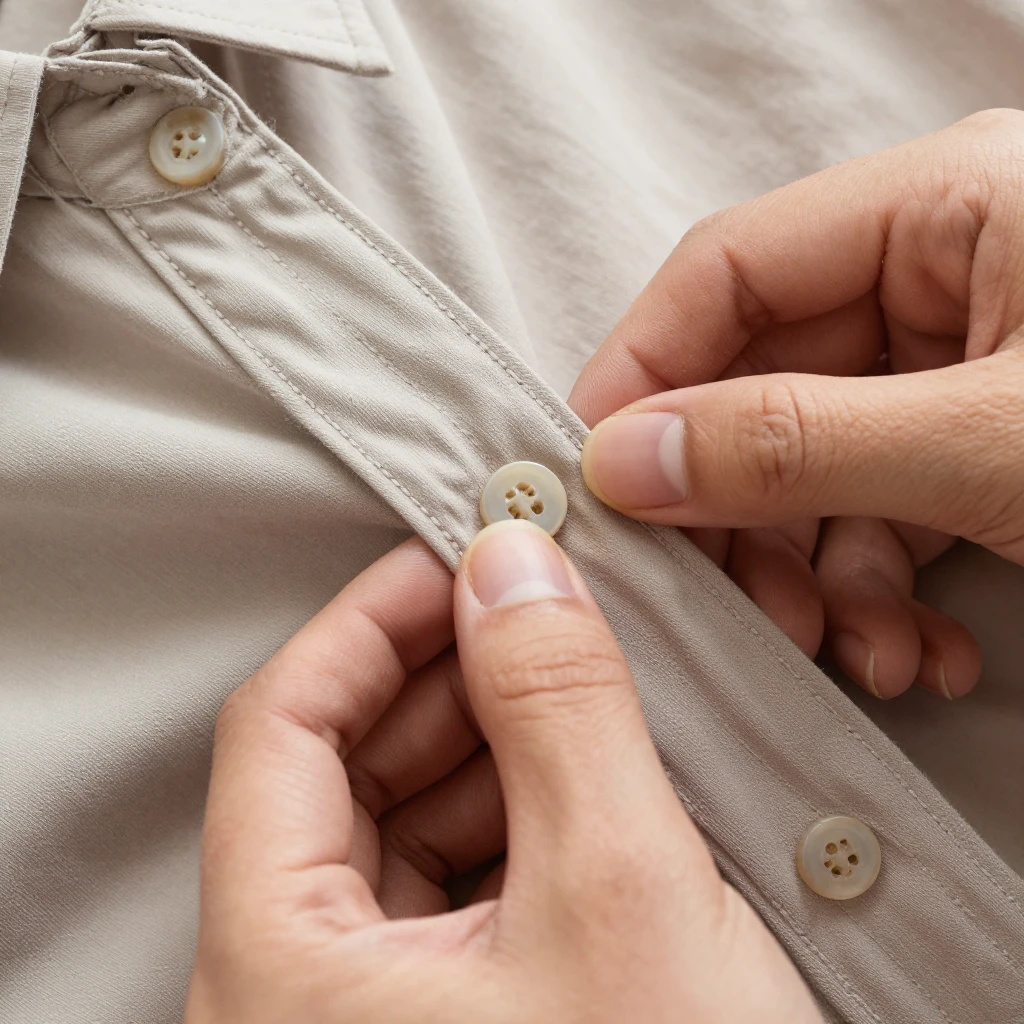
Move on to construction. Look along seams for loose threads, gaps, or places where stitching has pulled. Test zippers and buttons gently. Check underarms, cuffs, hems, pockets, and the seat of trousers, where wear can be easy to miss on a hanger. For secondhand clothing, also look for stains, odors, and damage that may be hard to repair.
Fit matters more than the number on the label. Check whether you can sit, reach, and move comfortably. A hem or button adjustment may be manageable, but major tailoring can cost more than the garment itself. If you are unsure, compare the item with a similar piece that fits you well.
- Inspect in bright light, including inside the garment.
- Check shoulder seams, waist placement, sleeve length, and overall ease of movement.
- Estimate alteration costs before deciding that a near-fit is a good buy.
- Walk away from damage you cannot confidently repair or clean.
Shop strategically for the best finds
Shop when you have time to browse, compare items against your list, and check each piece without rushing. The best find is one that meets a real need, fits well, and suits your budget, not simply the cheapest item on the rack.
Thrift-store inventory changes, so regular visits may help if you are searching for a specific category. Still, you do not need to make every trip a shopping trip. Go in with a time limit and a short list; that makes it easier to leave empty-handed when nothing is right.
For seasonal sales, think ahead rather than buying for an imagined future wardrobe. A discounted sweater is useful if you will wear it next season and have room to store it. It is less useful if you already own several similar ones or cannot picture an outfit with it.
Use a three-question check before buying
Before taking an item to the till, ask: Do I need it? Does it fit and feel good? Can I style it with at least two things I own? If the answer to any question is no, pause. This quick filter catches many impulse purchases without making shopping feel like a test.
One common mistake is treating a large discount as a reason to buy. The likely consequence is a closet full of unworn clothes and less money for pieces you genuinely need. Another is buying an item that requires extensive repairs because the original price is low. Add up any repair or alteration costs before deciding.
Style thrifted and discounted pieces
Style thrifted and discounted pieces by pairing them with familiar staples and repeating colors or textures across an outfit. A single distinctive find can refresh clothes you already own without requiring a whole new look.
For example, wear a secondhand patterned blouse with plain jeans and simple flats. A thrifted blazer can sharpen a T-shirt and trousers, while a discounted skirt can feel more like your style with a cardigan and shoes you already wear. Start with one new-to-you piece, then build the outfit from your existing wardrobe.
Pay attention to proportion. If a thrifted jacket is oversized, balance it with a cleaner-fitting bottom. If a skirt has a bold print, keep the top simple or pick one color from the pattern. These small choices make mixed-price outfits feel considered rather than accidental.
When a piece feels almost right, try styling it in more than one way before deciding to keep it. A shirt that works only with a special occasion outfit may get less use than one that pairs with jeans, a skirt, and trousers. The aim is not to make every item match everything, but to make sure your purchase has a place in your everyday wardrobe.
Make each purchase go further
Get more value from affordable clothes by caring for them properly, making simple repairs, and judging purchases by cost per wear. Cost per wear is the purchase price divided by the number of times you wear an item, so a moderately priced favorite may be better value than a very cheap piece worn once.
For example, if a $30 cardigan is worn 30 times, its cost per wear is $1. If a $10 top is worn twice, its cost per wear is $5. These figures do not predict how long a garment will last, but they give you a practical way to compare how useful two purchases may be.
Follow care labels, wash clothes only when needed, and use suitable water temperatures and drying methods. Small fixes can also extend the life of a garment: sew on a loose button, secure a minor seam opening, or remove surface lint. Skip repairs that need specialist work unless the garment is worth the extra cost to you.
Keep a simple note of purchases and wear patterns for a month or two. If you consistently reach for certain colors, fabrics, or shapes, use that information to guide your next shopping list. If an item stays unworn, ask why before buying a similar one. That is how a budget becomes a useful style tool: it helps you spend on clothes you enjoy wearing, rather than on bargains that stay in the closet.