Investment Pieces Worth Splurging On: Fashion Essentials That Earn Their Place
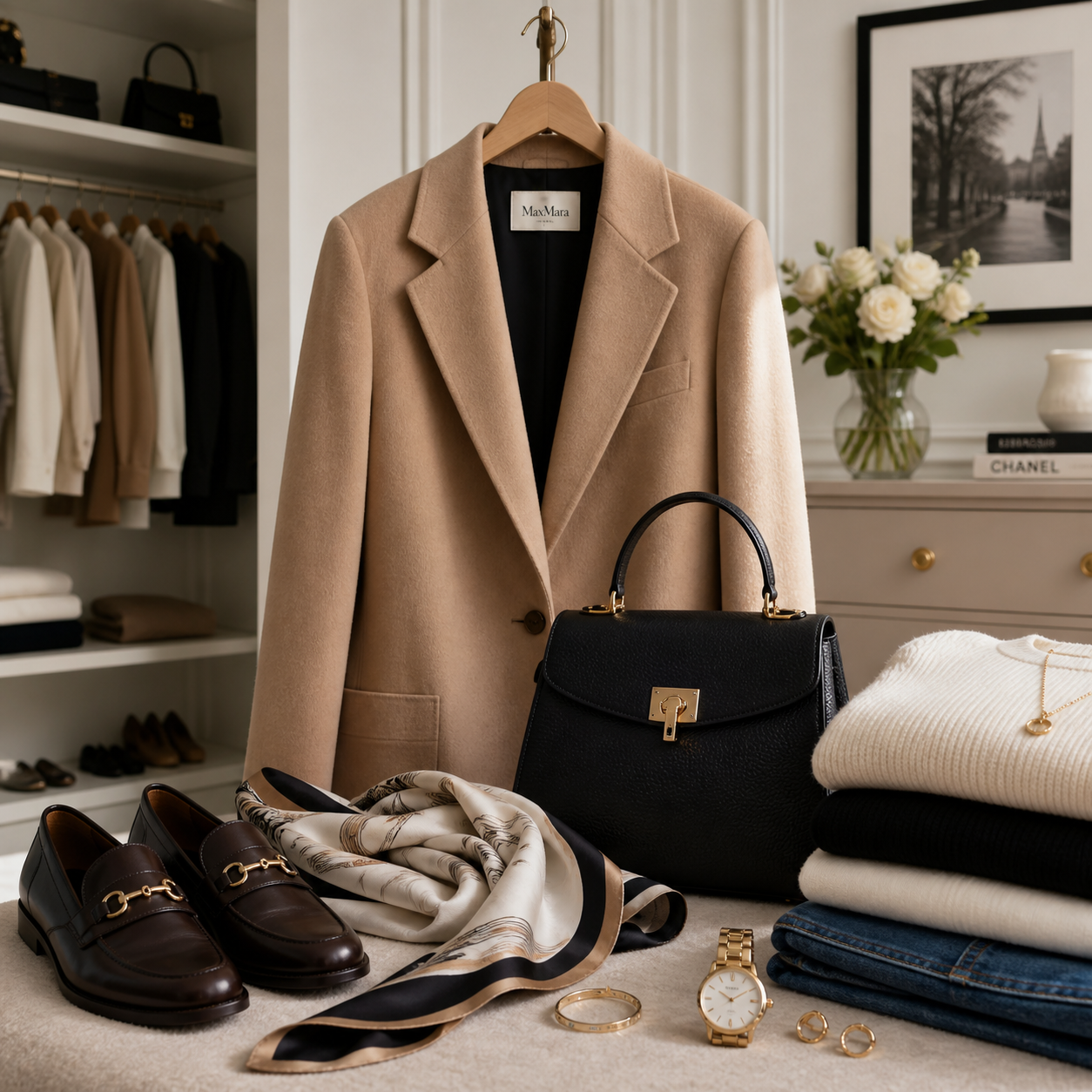
Investment dressing is less about owning expensive labels and more about choosing clothes and accessories that genuinely earn their place in your wardrobe. The right purchase fits well, works with what you already own, survives regular wear, and becomes easier to justify each time you use it.
That might mean a beautifully cut wool coat, a reliable leather handbag, or a pair of shoes you reach for three times a week. It might also mean spending less on a trend-led item because its likely cost per wear is poor. The goal is a wardrobe with fewer dead ends and more dependable outfits.
What Makes a Fashion Piece Worth the Investment?
A fashion piece is worth the investment when its durability, versatility, fit, and expected cost per wear justify the price. Timeless appeal and repairability strengthen the case, while poor comfort or limited styling options weaken it.
Before buying, assess a potential splurge through the WAVE test: wear, adaptability, value, and engineering.
- Wear: Will you use it regularly in your real lifestyle, not an imagined one?
- Adaptability: Can you style it with at least three existing outfits across more than one setting?
- Value: Does the likely number of wears make the price reasonable?
- Engineering: Do the fabric, stitching, lining, hardware, and construction support long-term use?
Cost per wear is simple to calculate: divide the purchase price by the number of times you expect to wear the item. A $900 coat worn 90 times costs $10 per wear. A $180 occasion dress worn once costs $180 per wear. The calculation is only useful when your estimate is honest.
Also consider maintenance. A premium garment that requires expensive specialist cleaning after every use may offer less practical value than a moderately priced piece that is easy to care for. For consumer guidance on clothing care labels and fiber information, the Federal Trade Commission’s textile labeling guidance is a useful reference.
A Well-Made Coat or Jacket
A well-made coat or jacket is often worth splurging on because outerwear gets frequent use, protects the rest of your outfit, and can make inexpensive basics look considered. Prioritize fabric, structure, lining, and a silhouette that works for several seasons.
Start with the fiber content. Wool, cashmere blends, cotton waxed for weather resistance, linen, and high-quality technical fabrics can all be useful, depending on the climate and purpose. A higher percentage of natural fiber does not automatically guarantee better performance, so inspect the cloth’s density, hand feel, recovery, and care requirements.
What to inspect before buying
- Fabric: Look for a substantial hand feel and a weave that does not appear thin or easily distorted.
- Structure: Check whether the shoulders sit cleanly and the coat holds its shape without restricting movement.
- Lining: A smooth, securely attached lining helps the garment slide over clothing and reduces strain on seams.
- Details: Examine button attachment, pocket construction, seam alignment, hems, and stitching density.
- Color: Camel, navy, charcoal, black, cream, olive, and chocolate brown usually integrate easily with a capsule wardrobe.
A classic single-breasted wool coat, trench coat, leather jacket, or tailored blazer can justify a higher price when its proportions suit you. The trade-off is that timeless outerwear may look less exciting than a dramatic seasonal shape. Choose the silhouette you will still enjoy wearing when the novelty disappears.
Quality Leather Handbags
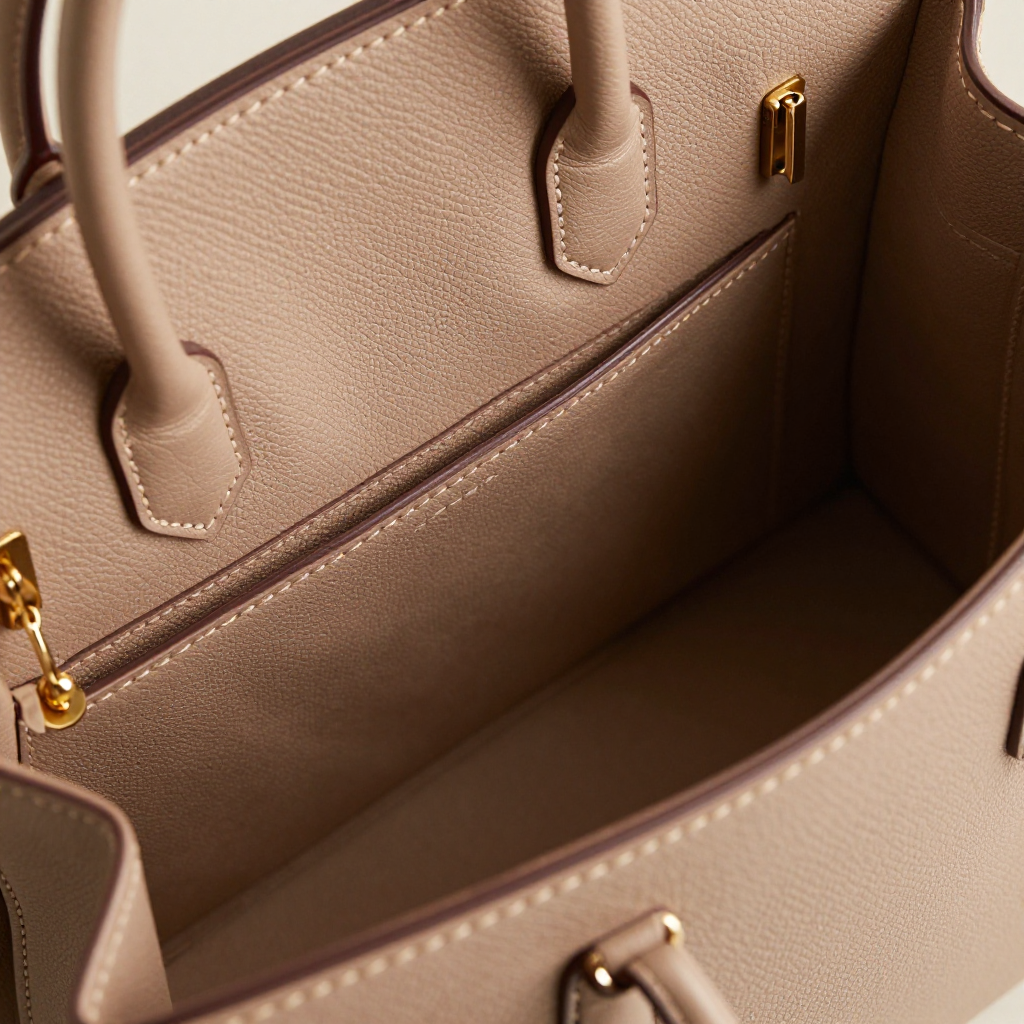
A quality leather handbag earns its price when it combines durable materials, secure construction, practical organization, and a shape you can carry repeatedly. The most useful bag is one that supports your daily routine rather than simply displaying a recognizable logo.
Leather varies widely. Full-grain leather generally retains more of the hide’s natural surface, while corrected or coated finishes may offer a more uniform appearance and easier stain resistance. Neither choice is automatically right for everyone. A polished coated finish may suit a commuter who wants low maintenance; softer leather may appeal to someone who values patina and suppleness.
How to evaluate a handbag
- Inspect stitching around handles, corners, pockets, and strap attachments.
- Check that hardware feels secure, opens smoothly, and does not snag clothing.
- Look for a lining that is attached cleanly and has useful pockets without excessive bulk.
- Test whether the bag holds your daily essentials without becoming uncomfortable.
- Consider whether the strap length works with coats, dresses, and knitwear.
- Ask whether the material can be cleaned, conditioned, or repaired by the maker or a qualified specialist.
A medium-sized structured tote, crossbody bag, or understated shoulder bag often has strong cost-per-wear potential because it can move between workwear, casual outfits, and travel. Still, leather requires care, adds weight, and may not suit wet climates or vegan preferences. Buy the material and format that fit your habits.
Shoes You Wear on Repeat
Investment footwear is worth the expense when it delivers reliable comfort, strong construction, and enough versatility to be worn frequently. Loafers, boots, refined flats, and classic pumps usually offer better wardrobe value than shoes reserved for one event.
Comfort should be tested, not assumed. Walk on a firm surface, check for pressure across the toes, and make sure your heel does not slip excessively. A beautiful shoe that causes blisters will not produce a good cost per wear.
Construction details that matter
- Soles: Leather or durable rubber soles can both work; choose based on weather, traction, and maintenance.
- Footbed: Look for supportive shaping and enough room for natural toe movement.
- Upper: Leather or well-engineered textiles should flex at the correct point rather than crease sharply across the toes.
- Repairability: Certain welted or stitched constructions may be easier to resole than glued fashion footwear.
Black, brown, burgundy, cream, and metallic-neutral shoes tend to coordinate with more outfits, but your best color depends on your existing clothes. A sleek loafer can anchor trousers and denim. An ankle boot can work with skirts, dresses, and wide-leg pants. Choose one category you will wear at least weekly before adding another.
The compromise is visible: higher-quality shoes may need breaking in, and resoling adds a future expense. That is still preferable to replacing uncomfortable pairs repeatedly, provided the original last and fit suit your feet.
Tailored Trousers, Blazers, and Denim
Tailored trousers, blazers, and denim become investment pieces when their fit, fabric, and construction support frequent wear. A moderately priced garment that fits perfectly after alterations can outperform a costly piece that pulls, gaps, or overwhelms your proportions.
Fit is the first filter. Look at shoulder placement on a blazer, the rise and waistband on trousers, and the seat, thigh, and hem on denim. Small alterations such as sleeve shortening, trouser hemming, waist adjustment, or button repositioning can transform an otherwise good garment.
Where quality pays off
- Blazers: A stable fabric, clean lapels, functional pockets, and a smooth lining help the jacket retain shape.
- Trousers: Dense woven fabrics, reinforced stress points, and a comfortable waistband improve everyday performance.
- Denim: Choose denim with enough structure for recovery but enough comfort for sitting and movement.
Neutral tailoring creates a strong foundation for a capsule wardrobe, but do not interpret neutral as colorless. Pinstripes, soft checks, chocolate brown, deep green, and muted blue can remain versatile while adding personality.
Try each piece with the shoes and tops you actually own. A blazer that only works with one pair of trousers is less valuable than one that completes jeans, dresses, skirts, and workwear separates.
Timeless Jewelry and Accessories
Timeless jewelry and accessories are often accessible investment pieces because they can refresh many outfits without requiring a complete wardrobe change. A classic watch, simple gold or silver jewelry, a quality leather belt, and a silk scarf can all offer repeated use.
Start with metal and scale. If you wear warm colors and prefer a softer look, yellow gold may feel natural; silver, white gold, or mixed metals may better suit a cooler or minimalist wardrobe. The right choice is the one you will put on automatically.
- Classic watch: Look for a readable dial, comfortable strap or bracelet, and proportions that suit your wrist.
- Everyday jewelry: Choose earrings, a chain, or a ring that can tolerate regular wear and match your usual neckline and styling.
- Leather belt: Pay attention to buckle security, edge finishing, and whether the width works with your belt loops and dresses.
- Silk scarf: A well-finished hem and useful size allow it to work at the neck, on a handbag, in the hair, or as a light wrap.
Accessories are not automatically low-risk purchases. Plated finishes can wear, delicate chains can tangle, and silk requires careful washing and storage. Buy pieces that fit your maintenance tolerance, then store them properly so their cost per wear can accumulate over years.
What Not to Splurge On
Do not splurge on a fashion item simply because it is expensive, designer-branded, or currently popular. Avoid high prices when the piece has a poor fit, limited use, fragile construction, demanding care, or no meaningful connection to your lifestyle.
Trend-led items can be enjoyable, but they belong in a different budget category. A novelty color, oversized logo, extreme silhouette, or viral accessory may lose styling relevance quickly. That does not make it forbidden; it means you should buy it at a price you can accept if you wear it only a handful of times.
Warning signs before checkout
- You are buying the label rather than the fabric, construction, or design.
- The item requires uncomfortable sizing compromises because your preferred size is unavailable.
- You cannot create three outfits with pieces already in your wardrobe.
- The garment is made from a delicate fabric that does not fit your daily routine.
- Repair, cleaning, or storage costs would make regular use inconvenient.
Designer clothing is not always better quality. Some premium pieces offer exceptional craftsmanship; others charge primarily for design, distribution, or brand positioning. Compare construction details and materials rather than assuming price is proof.
A useful final question is: Would I still want this if the label were hidden? If the answer is yes and the item passes the WAVE test, it may deserve a place in your investment dressing plan. If not, keep the purchase affordable or walk away.
Investment Piece FAQs
How do I know if a fashion item is worth the price?
Compare its expected cost per wear with its versatility, construction, comfort, and maintenance requirements. A higher price makes more sense when you will wear the item regularly and it can be repaired or tailored.
What is the best first investment piece for a wardrobe?
For many women, the best first investment piece is a versatile coat, quality everyday handbag, or comfortable pair of shoes. Choose the category you currently replace most often and use most frequently.
Is designer clothing always better quality?
No. Designer clothing can have excellent materials and craftsmanship, but branding alone does not guarantee durability or fit. Inspect the garment and compare it with less expensive alternatives.
How can I calculate cost per wear?
Divide the total purchase price, including realistic alterations, by the number of times you expect to wear the item. Recalculate after several months using your actual wear count.
Should I buy investment pieces in neutral colors?
Neutral colors are often easier to style, but they are not mandatory. Choose a color that coordinates with your existing wardrobe and reflects what you genuinely enjoy wearing. A frequently worn burgundy bag can offer more value than an ignored black one.