Seasonal Style Guide: What to Wear in Every Season
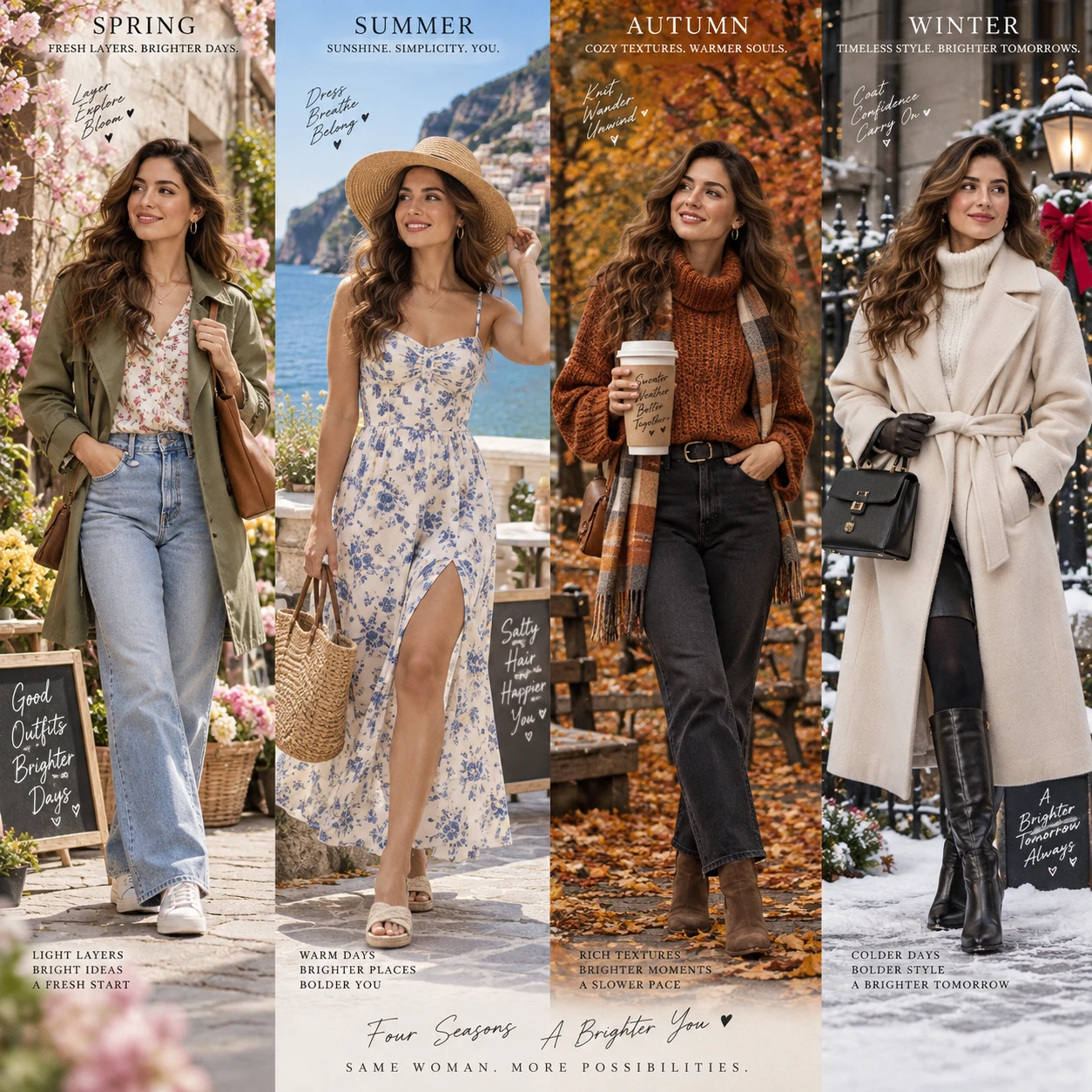
A reliable seasonal wardrobe helps you feel comfortable and look considered without buying a new set of clothes every few months. The key is to match fabrics and layers to the weather, then use color and accessories to give familiar pieces a seasonal feel.
How to Dress for the Seasons
Dress for each season by checking the day’s temperature, wind, rain, and indoor conditions, then choosing layers you can add or remove. A small group of adaptable wardrobe essentials makes seasonal style easier than following a rigid list of trends.
Start with the conditions you will actually face. A sunny afternoon can still feel cool in the shade, and air-conditioned offices may call for an extra layer in summer. Think in three parts: a comfortable base, a weather-ready outer layer, and accessories that solve practical problems. This simple approach works across climates and personal styles.
Pay attention to weather-appropriate fabrics. Cotton and linen feel airy in heat; merino wool and fleece add warmth without requiring bulky layers; and a tightly woven rain shell can help in wet, windy weather. Fabric names alone do not guarantee comfort, so consider thickness, weave, lining, and how easily a garment dries.
Use color as a flexible cue rather than a rule. Seasonal color palettes can lean toward fresh pastels in spring, bright or light neutrals in summer, earthy tones in autumn, and deeper shades in winter, but any color can work year-round. A scarf, bag, or top in a seasonal shade can refresh pieces you already own.
Spring Style: Light Layers and Fresh Colors
Spring outfits work best with light layers that handle cool mornings, warmer afternoons, and the occasional shower. Combine breathable basics with a removable jacket or cardigan, and keep one weatherproof option close by.
Spring layers should be easy to take off and carry. Try a cotton shirt over a tank, a fine-knit cardigan with straight-leg trousers, or a trench coat over a simple dress. A denim jacket or unlined blazer adds structure without the insulation of a winter coat. If rain is likely, choose a water-resistant layer and shoes that can handle damp pavements.
For an easy outfit formula, pair a midi skirt with a lightweight knit and ankle boots, then switch to loafers when the weather turns mild. Another option is relaxed jeans, a striped top, and a trench. These combinations give you movement and coverage without making the outfit feel heavy.
Fresh colors can make familiar basics feel right for the season. Try a pastel shirt with navy trousers, or add a pale scarf to a neutral outfit. Keep fabrics practical: cotton poplin, lightweight denim, and fine knits are useful choices, while a very thin top may need a layer underneath on chilly days.
Summer Style: Breathable Fabrics and Effortless Outfits
Summer style is about staying cool with breathable fabrics, comfortable silhouettes, and accessories suited to sun and heat. Choose pieces that let air circulate and provide enough coverage for your plans and local conditions.
Summer dresses offer a straightforward one-piece outfit: a shirt dress works for casual days, while a loose cotton or linen midi dress can suit everything from errands to a relaxed dinner. Look for breathable linings and cuts that do not cling. If you prefer separates, try a linen shirt with wide-leg trousers or a cotton tank with a flowing skirt.
Heat can make some popular fabrics feel uncomfortable, especially when they are tightly woven or heavily lined. Linen creases easily, but those creases are part of its relaxed look; cotton is versatile, though it may take longer to dry after sweating or a summer shower. Choose based on comfort and care needs, not appearance alone.
- Wear supportive sandals or breathable trainers for long walks.
- Use a wide-brimmed hat and sunglasses for sun protection.
- Carry a light shirt or cardigan for cool indoor spaces and evening breezes.
- Choose a crossbody bag or tote that leaves your hands free.
For outdoor plans, consider shade and sun exposure as part of your outfit. The U.S. Centers for Disease Control and Prevention offers practical guidance on sun safety and protective clothing. Clothing can add coverage, but it does not replace sunscreen or other sun-protection measures.
Autumn Style: Knitwear, Texture, and Transitional Layers
Autumn outfits balance lighter pieces with cozy layers as temperatures fall. Use knitwear, jackets, and textured fabrics to build warmth gradually, especially when mornings and afternoons feel different.
Autumn knitwear is most versatile when it works over a shirt or under a coat. A fine-gauge sweater pairs well with trousers and loafers; a chunkier cardigan can layer over a dress or tee. Add a denim jacket, leather jacket, or lightweight wool coat when you need more protection. For a practical transitional dressing formula, combine a breathable base, one warm mid-layer, and an outer layer suited to the day’s forecast.
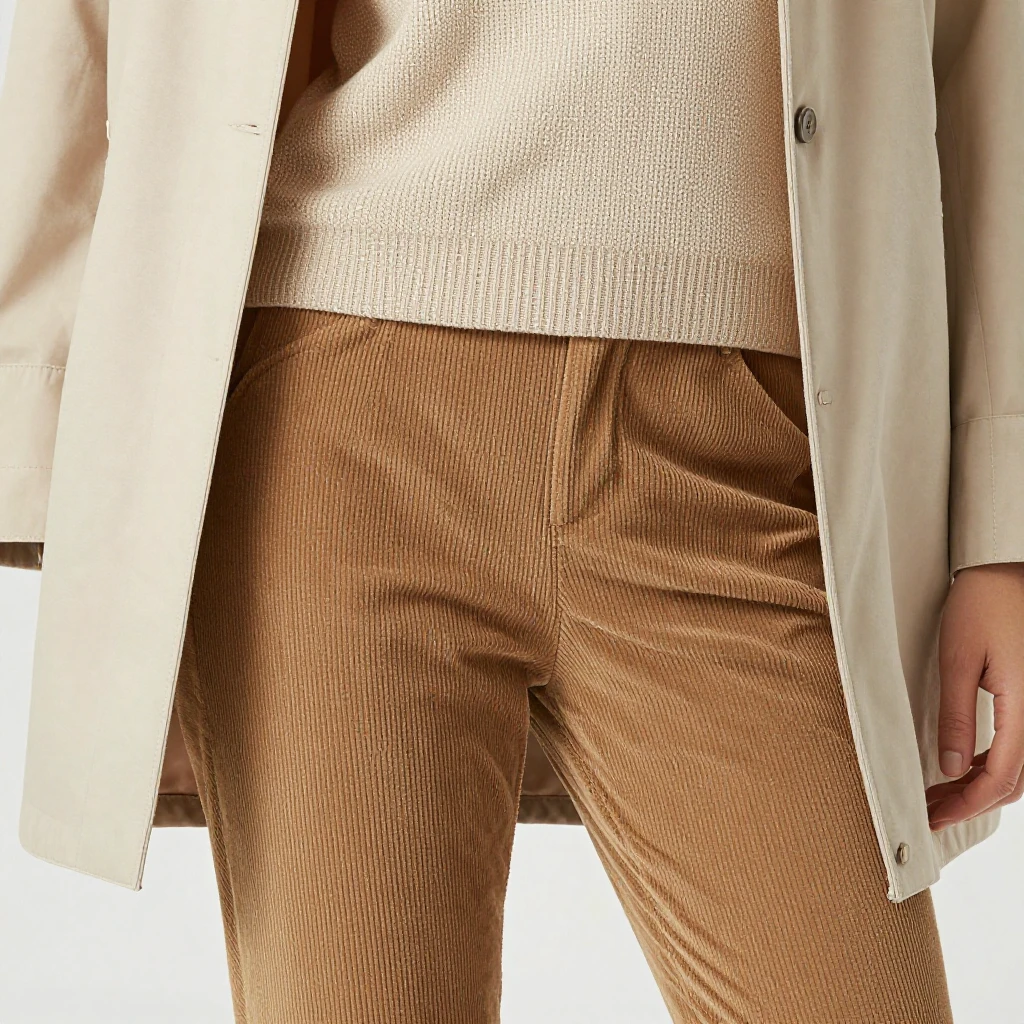
Texture adds depth without requiring a bold print. Try corduroy trousers with a smooth knit, or a wool-blend cardigan over a cotton dress. Earthy colors such as olive, rust, and deep brown often feel seasonal, but a bright bag or familiar striped top can keep the outfit personal rather than overly coordinated.
Footwear needs to match the ground as well as the outfit. Ankle boots can be useful in cool, dry weather, while water-resistant shoes are a better choice for rain. If you wear a skirt or dress, opaque tights provide warmth; keep a pair in your bag or at work if the forecast is uncertain.
Winter Style: Warm Layers with a Polished Finish
Winter outfits stay comfortable when insulating layers work together under a coat suited to the local weather. Prioritize warmth and coverage first, then use fit, color, and accessories to create a polished finish.
Winter coats do different jobs. A wool coat can look refined in cold, mostly dry conditions, while a padded or insulated coat is often more practical for prolonged exposure to low temperatures. In wet or windy weather, a waterproof shell or coat with a protective outer fabric matters as much as the layer beneath it. Check whether the coat leaves room for a sweater without restricting movement.
Build warmth from the body outward: start with a comfortable base layer, add knitwear or fleece, then wear a coat that blocks wind or rain. Merino wool can provide warmth without much bulk, while synthetic fleece is quick-drying and easy to care for. A thermal layer is useful for outdoor commutes, but may feel too warm indoors, so choose pieces you can remove.
- Choose a scarf that covers the neck and fits comfortably under your coat.
- Wear gloves suited to the temperature; touchscreen fingertips help during everyday errands.
- Use warm socks and weather-appropriate boots for cold or wet ground.
- Add a belt, structured bag, or simple jewelry when you want a more finished look.
There is a trade-off between a sleek silhouette and maximum insulation. A close-fitting coat may look streamlined over a thin top but feel restrictive over knitwear. Try winter layers together before buying, and check that sleeves, shoulders, and closures still sit comfortably.
Build a Versatile Seasonal Wardrobe
A versatile seasonal wardrobe starts with a small set of dependable basics that can be layered and restyled across changing weather. Rewearing core pieces reduces unnecessary purchases, though it helps to plan for the specific temperatures and activities you face.
Use a simple wardrobe test: wear, layer, weather. First, identify pieces you reach for in more than one season. Next, check whether a layer can extend their use, such as wearing a summer dress with a cardigan and tights. Finally, note what local weather demands, from rain protection to breathable work clothes. This keeps shopping focused on real gaps rather than imagined ones.
Useful wardrobe essentials often include well-fitting trousers, jeans, basic tops, a light knit, a cardigan, a comfortable dress, a versatile jacket, and shoes for walking. You do not need every item in a standard checklist. Choose cuts, colors, and fabrics that fit your routine, budget, climate, and preferred level of care.
To transition outfits between seasons, change one element at a time. Wear a summer dress with a denim jacket and closed shoes in early autumn; bring a spring shirt into winter under a warm sweater; or style a light knit with shorts on a cool summer evening. Accessories such as tights, scarves, belts, and bags can shift the feel of an outfit without replacing its main pieces.
How can I dress for unpredictable weather?
Use removable layers and check the forecast for rain, wind, and temperature swings. A light water-resistant jacket, comfortable base layer, and packable scarf cover many everyday changes without weighing you down.
What wardrobe basics work in every season?
Well-fitting trousers, simple tops, a light knit, comfortable shoes, and a versatile jacket can work across seasons when you adjust the layers and accessories. The best basics depend on your climate and daily routine.
How can I stay stylish while dressing for comfort?
Start with clothes that fit well and let you move, then add one deliberate detail, such as a strong color, structured bag, or polished shoe. Comfort and personal style work together when the outfit suits both the weather and your day.