Sustainable Fashion: Eco-Friendly Clothing Brands Every Woman Should Know
What Is Sustainable Fashion?
Sustainable fashion is an approach to designing, producing, and consuming clothing that prioritizes environmental health, social equity, and ethical labor. It integrates eco-friendly materials, fair trade principles, and practices that reduce waste and carbon footprint throughout the apparel supply chain.
At its core, sustainable fashion embraces the slow fashion movement, which emphasizes quality over quantity, durability, and reducing excess consumerism. Women’s ethical fashion brands adopt these values by using organic fabrics such as organic cotton, hemp, and Tencel, and by ensuring fair wages and safe working environments for artisans and factory workers worldwide.
Why Choose Eco-Friendly Clothing Brands?
Choosing eco-friendly clothing brands benefits the planet, workers, and consumers alike. These brands help lower the carbon footprint in apparel production by using renewable resources and minimizing harmful chemicals throughout manufacturing.
For workers, sustainable brands often uphold fair trade fashion standards, promoting human rights and economic empowerment in the supply chain. Consumers gain durable, non-toxic, and thoughtfully crafted pieces that support a healthier lifestyle while nurturing confidence in ethical sourcing.
Supporting women’s ethical fashion also drives industry change by encouraging more brands to adopt transparent sustainability practices. This collective shift helps protect ecosystems and promotes a circular fashion economy focused on recycling, reuse, and waste reduction.
Top Eco-Friendly Women’s Fashion Brands to Watch
Several women’s fashion brands stand out for their genuine commitment to sustainability, quality, and style. Here are some leading names shaping the eco-conscious apparel landscape:
- Patagonia – Pioneering the use of recycled and organic materials, Patagonia is renowned for durable outdoor clothing and strong advocacy for environmental causes.
- Reformation – Known for trendy, feminine designs, Reformation uses deadstock fabrics, sustainable fibers, and aims for carbon-neutral production processes.
- People Tree – A leader in fair trade fashion, this brand emphasizes organic cotton and handcrafted garments made by producers who receive fair wages.
- Eileen Fisher – Combining timeless styles with sustainable fibers like organic linen and recycled wool, Eileen Fisher invests heavily in circular fashion initiatives.
- Amour Vert – Focusing on limited edition capsule collections and locally sourced, non-toxic dyes, Amour Vert champions slow fashion ethics beautifully.
- Veja – Although primarily footwear, Veja’s vegan and eco-responsible sneakers showcase how accessories can align with sustainable values.
These brands exemplify how women’s ethical fashion can blend style and responsibility effortlessly, inspiring conscious wardrobes worldwide.
Materials That Make a Difference
Sustainable textiles form the backbone of eco-friendly clothing. Fabrics like organic cotton, hemp, and Tencel radically reduce environmental harm compared to conventional options:
- Organic Cotton – Grown without synthetic pesticides or fertilizers, organic cotton conserves water and protects soil health.
- Hemp – Hemp cultivation requires minimal water and boosts biodiversity, producing a strong, breathable fabric ideal for durable garments.
- Tencel – Made from sustainably sourced wood pulp, Tencel uses a closed-loop process that recycles water and solvents, offering a soft, biodegradable textile.
- Recycled Materials – Incorporating fibers from recycled plastics and worn-out garments reduces landfill waste and petroleum dependency.
- Vegan and Cruelty-Free Materials – Alternatives to leather such as cork, pineapple leather, and mushroom-based textiles minimize animal exploitation while adding innovative textures.
Choosing clothing brands that use these materials ensures a lower carbon footprint in apparel production and promotes healthier ecosystems.
How to Build a Sustainable Wardrobe
To build a sustainable wardrobe, focus on integrating quality over quantity with thoughtful purchase decisions. Start by selecting versatile staple pieces from eco-friendly clothing brands that work well within a capsule wardrobe—a minimalist collection designed for maximum outfit combinations.
Consider these practical tips:
- Prioritize timeless styles that transcend trends, ensuring long-term wear and reducing impulse buying.
- Choose organic and recycled fabrics to minimize environmental impact without sacrificing comfort.
- Support brands with transparent supply chains and fair trade certifications.
- Invest in garment care by following proper washing instructions that extend clothing lifespan.
- Explore secondhand and clothing recycling options to close the loop on fashion waste.
Building an ethical, eco-conscious wardrobe takes time but results in a more meaningful and sustainable relationship with your clothing.
The Role of Slow Fashion and Circular Economy
The slow fashion movement encourages consumers and designers to reject mass-produced, disposable clothing in favor of lasting quality and conscious consumption. Its principles align closely with circular fashion—a system aimed at eliminating waste through continuous reuse, repair, and recycling.
By embracing slow fashion, women’s ethical fashion brands reduce overproduction, lower carbon footprints, and promote labor fairness. Circular fashion programs facilitate clothing recycling and resale, diverting textiles from landfills and helping consumers refresh their wardrobe responsibly.
This combined approach fosters industry sustainability and empowers consumers to be active participants in reducing fashion’s environmental burden.
Accessories Matter Too: Sustainable Bags, Jewelry, and Shoes
Expanding eco-conscious choices beyond clothing, sustainable accessories play a crucial role in a truly ethical wardrobe. Women’s fashion accessories made from recycled metals, organic fibers, and vegan leathers align perfectly with sustainable fashion values.
- Sustainable Bags – Look for purses and totes crafted from organic cotton canvas, hemp, or upcycled materials that avoid plastic lining and wasted resources.
- Eco-Friendly Jewelry – Choose pieces made from recycled metals, ethically sourced gemstones, or natural materials like wood and seeds.
- Shoes – Brands like Veja use organic cotton, wild rubber, and vegan leathers to design vegan and cruelty-free footwear without compromising style or comfort.
Incorporating sustainable accessories complements an eco-conscious wardrobe and makes everyday fashion choices more impactful.
Frequently Asked Questions
What makes a clothing brand truly sustainable?
A truly sustainable clothing brand prioritizes environmentally friendly materials, ethical labor practices like fair trade, transparency in its supply chain, and initiatives to reduce waste and carbon emissions throughout production.
How can I verify if a brand is eco-friendly?
Look for certifications such as GOTS (Global Organic Textile Standard), Fair Trade Certified, and B Corp status. Many reputable brands also publish sustainability reports detailing their environmental and social impacts.
Are sustainable clothes more expensive? Why?
Sustainable clothes often have a higher upfront cost due to quality materials, ethical wages, and environmentally responsible manufacturing. However, their durability and timeless design can make them more cost-effective over time.
Can sustainable fashion be stylish and trendy?
Absolutely. Many eco-friendly brands combine contemporary designs with ethical practices, proving that style and sustainability can coexist and even elevate each other.
How do I care for eco-friendly garments to extend their lifespan?
Wash clothes in cold water, use eco-friendly detergents, avoid frequent dry cleaning, air dry when possible, and repair minor damages instead of discarding. Proper care conserves resources and preserves garment integrity.
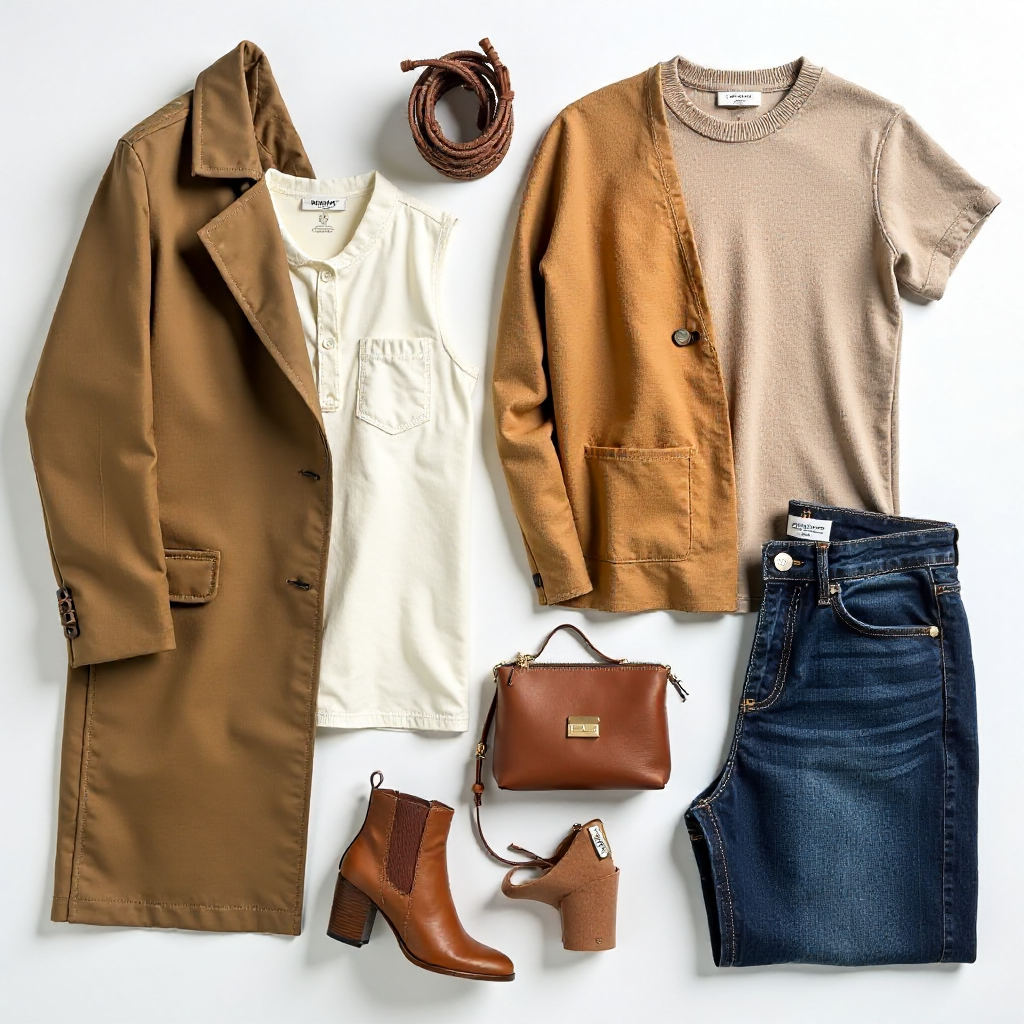
Building a sustainable wardrobe starts with awareness and mindful choices. By supporting eco-friendly clothing brands and embracing slow, circular fashion principles, every woman can contribute to a healthier planet without sacrificing style or quality.