The Psychology of Color in Fashion: How to Choose Colors That Feel Like You
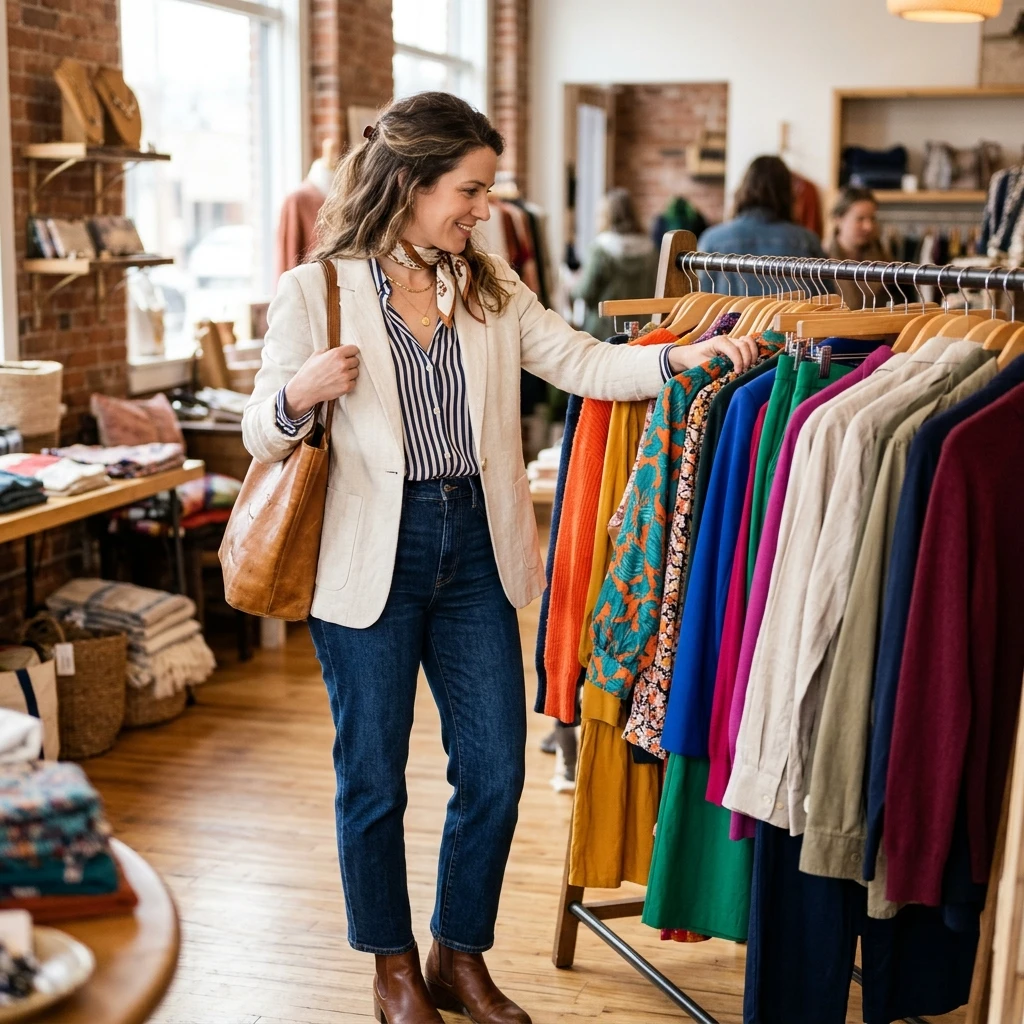
Color can change the mood of an outfit before anyone notices its cut or details. A bright red blouse may feel expressive, while a soft blue knit can read as calm; yet the wearer, setting, culture, and styling all influence that impression. The psychology of color in fashion offers a useful way to think about these choices, not a fixed set of rules about what every shade means.
Whether you reach for a head-to-toe neutral look or love a vivid mix, color can help you shape an outfit and express your personal style. The goal is to find combinations that feel right to you and work in your everyday life.
What Color Psychology Means in Fashion
Color psychology in fashion is the study of how clothing colors may shape an outfit’s mood and the impression it creates. Color associations can guide styling choices, but they vary by person and context rather than working as universal rules.
A color’s effect depends on more than its name. A deep green suit, a pale green cardigan, and a neon green bag create very different impressions. Fabric, fit, contrast, light, and the other colors in an outfit all contribute. So does personal experience: a shade connected to a favorite place or memory may feel very different to you than it does to someone else.
It helps to treat color as one part of outfit coordination. Ask yourself three questions: What mood do I want? What do I want to highlight? And will I feel comfortable wearing this in the setting? That approach makes color theory practical without turning dressing into a formula. It also leaves room for self-expression: you can wear a traditionally “bold” shade in a quiet, understated way, or make a neutral outfit feel dramatic through shape and texture.
Common Color Associations and How to Wear Them
Common color associations offer starting points for styling, not definitive meanings. Try familiar color moods in small doses first, then adjust the shade and combination to suit your taste.
- Red: Often associated with energy or confidence. Try a red shoe, bag, or knit with denim and simple layers if a full red outfit feels too strong.
- Blue: Frequently reads as calm or dependable. A blue shirt, blazer, or dress can bring a composed feel, while cobalt or turquoise adds more visual punch.
- Green: Can feel grounded, fresh, or richly elegant, depending on its depth. Olive pairs easily with camel and denim; emerald can stand out against black or cream.
- Yellow and orange: These warm shades often bring brightness and playfulness. Use a muted butter yellow near the face or an orange accessory when you want a more vivid accent.
- Pink and purple: Pink can feel soft, lively, or striking; purple may seem romantic, creative, or refined. The shade and styling make a difference: a tailored lilac shirt feels unlike a fuchsia party dress.
- Black, white, gray, and brown: Neutral colors offer a flexible base. They can feel minimal, polished, relaxed, or dramatic depending on silhouette, material, and contrast.
Instead of asking whether a color “suits” a particular personality, notice how you feel in it and what it does beside the rest of your outfit. A shade that feels too loud in a dress might be just right in a hair accessory.
Using Color to Express Your Personal Style
Color expresses personal style by helping you choose the mood, contrast, and focal point of an outfit. Start with the shades you genuinely enjoy, then adapt their intensity and placement to the occasion and how you want to feel.
Think of your wardrobe as a visual vocabulary. If you like a relaxed, understated look, you might build around navy, cream, and soft gray, then add a muted green scarf. For a playful style, try coral with denim or mix a bright print with one solid color. If you prefer a polished appearance, use a restrained palette but vary the textures: chocolate brown wool, ivory silk, and a smooth leather accessory can feel considered without being colorful.
Your desired feeling can also help guide a choice. On a day when you want more energy, a bright top might be appealing. When comfort matters most, you may reach for a familiar shade and a softer contrast. These are personal cues, not guaranteed psychological effects. Color can support the way you want to show up, but it does not determine your mood or how others will respond.
There is no need to settle on one signature color. Personal style can shift with season, setting, and mood. A useful test is whether you reach for a garment often and feel like yourself wearing it, rather than whether it matches a style label.
How to Build a Wearable Color Palette
A wearable color palette combines reliable neutrals, a few favorite shades, and accent colors that work with more than one outfit. This gives you variety while making outfit coordination easier.
Try this simple three-part framework:
- Choose two or three neutrals. Start with colors you already wear, such as navy, black, cream, gray, tan, or brown. They form the most mixable part of a wardrobe.
- Add two or three colors you love. Look at the pieces you reach for repeatedly. Those shades are better evidence of your preferences than a palette chosen from a trend or a color chart.
- Pick one or two accent colors. Use these for a bag, shoes, scarf, jewelry, or a statement garment. An accent can add interest without requiring a complete wardrobe change.
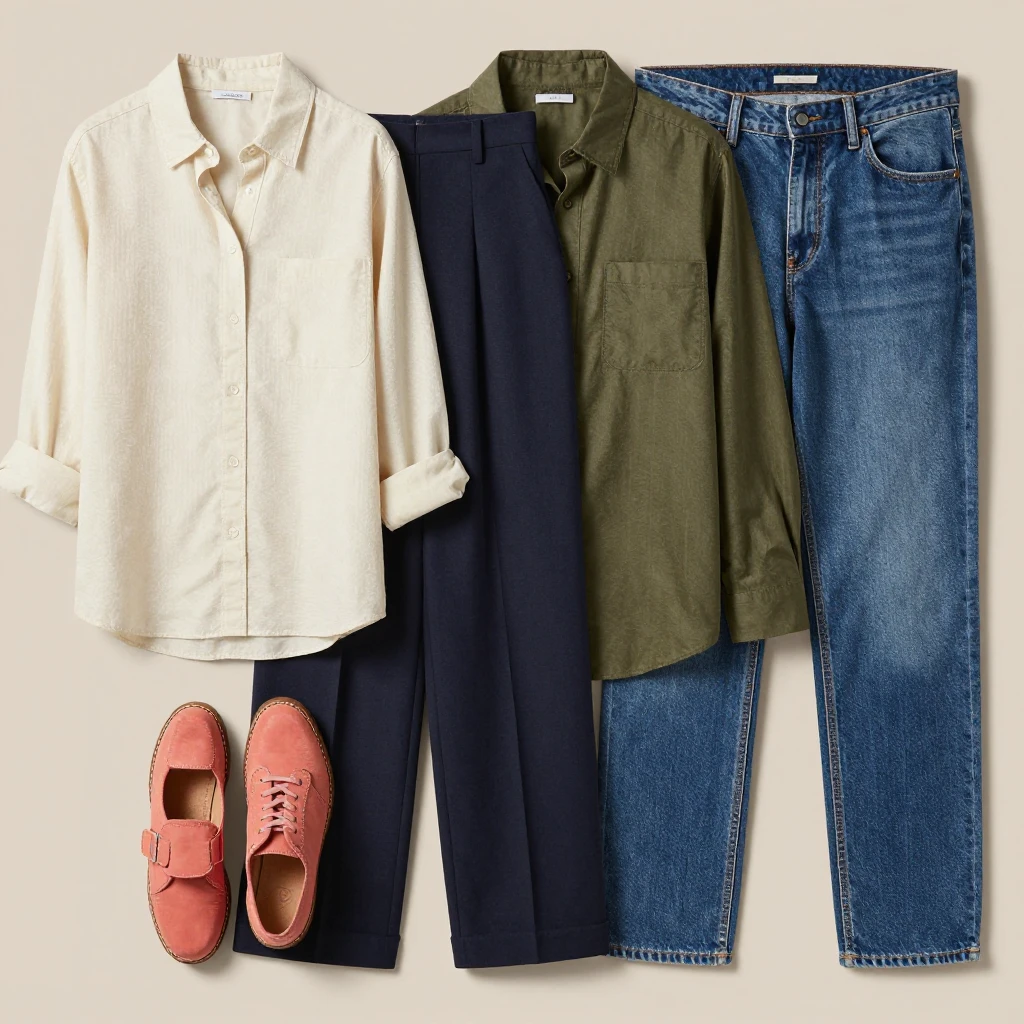
To check whether a palette works, make a few combinations with clothes you own. A cream top might go with navy trousers, an olive skirt, or denim; a rust bag could complement all three. If a new shade only works with one item, it may be harder to wear than it looks in isolation.
Color theory can help explain why some combinations feel balanced. Similar shades create a quiet, coordinated effect; contrasting colors attract more attention. You do not need to memorize a color wheel. Start with one color you like, then try it with a neutral or a nearby shade. Versatility matters more than a perfect palette, and a smaller wardrobe need not follow a strict scheme.
Simple Ways to Experiment with Color
To experiment with color, change one element at a time and build from combinations you already feel good wearing. Small trials let you discover your preferences without buying a whole new wardrobe.
- Start with an accessory. Add a colorful bag, belt, scarf, or pair of shoes to a familiar neutral outfit.
- Try a color near your face. Wear a top or scarf in a shade you are curious about, then compare it with a different tone. Notice your own response rather than searching for a universal rule.
- Repeat one color. A green top and green earrings, for example, can make a look feel intentional without requiring a complicated mix.
- Use a print as a guide. Pull one color from a patterned skirt or blouse and repeat it in a small accessory.
- Test new pairings at home. Photograph two or three combinations in natural light. This helps you see contrast and balance without the pressure of a first wear.
One common misstep is buying a shade because it looks appealing on a hanger, then discovering it does not fit your real outfits. Before purchasing, picture at least two ways to wear it with clothes you own. Another is assuming that every colorful outfit needs several bright shades. One accent color can be enough; more is a choice, not a requirement.
Choosing Colors for Different Occasions
Choose colors for an occasion by considering its practical expectations, your comfort, and the impression you want the outfit to create. There are no universal color rules for work, casual plans, or events.
For work, you might use navy, gray, brown, or cream as a base and bring in color through a blouse, knit, or accessory. In a more creative setting, a bright suit or color-blocked outfit may feel appropriate; in a formal or conservative workplace, a subtler accent may be easier to wear. Dress codes and local norms matter more than assumptions about what a color communicates.
Casual plans offer room to play. Try a colored sweatshirt with jeans, a patterned dress with neutral shoes, or a bright jacket over a simple outfit. For celebrations and evening events, consider how the venue, dress code, lighting, and photographs may affect your choice. A saturated shade can stand out in a dim room, while softer colors may feel more at home at an outdoor daytime gathering. The practical test is simple: can you move comfortably, and do you feel at ease in the look?
Frequently Asked Questions About Color in Fashion
Color can influence the mood and impression of an outfit, but its effect depends on the shade, styling, wearer, and setting. These quick answers can help you apply color psychology to everyday dressing.
Does clothing color affect how an outfit feels?
Yes, color can change how an outfit looks and how it feels to wear. Bright colors may feel lively to one person, while another may prefer their calm, familiar neutrals. Fabric, cut, contrast, and personal associations also shape the experience.
How can I find colors that suit my personal style?
Notice which colors you wear often, feel comfortable in, and can combine with your existing clothes. Try unfamiliar shades as accessories or tops before investing in larger pieces. Your personal style is a better guide than a rule that says you must wear certain colors.
How do I add color to a mostly neutral wardrobe?
Choose one accent color and use it in a bag, scarf, shoes, or top. Then see whether it works with at least two neutral outfits. A single repeated shade can make a wardrobe feel more varied without changing its overall character.
Can I mix several colors in one outfit?
Yes. For an easy starting point, combine a neutral with two colors, or choose shades that appear together in a print. Keep the number of strong accents modest if you want a quieter result; use more contrast when you want a bolder look. The best combination is one you enjoy wearing.