The Rise of Gender-Neutral Fashion in Women’s Wear
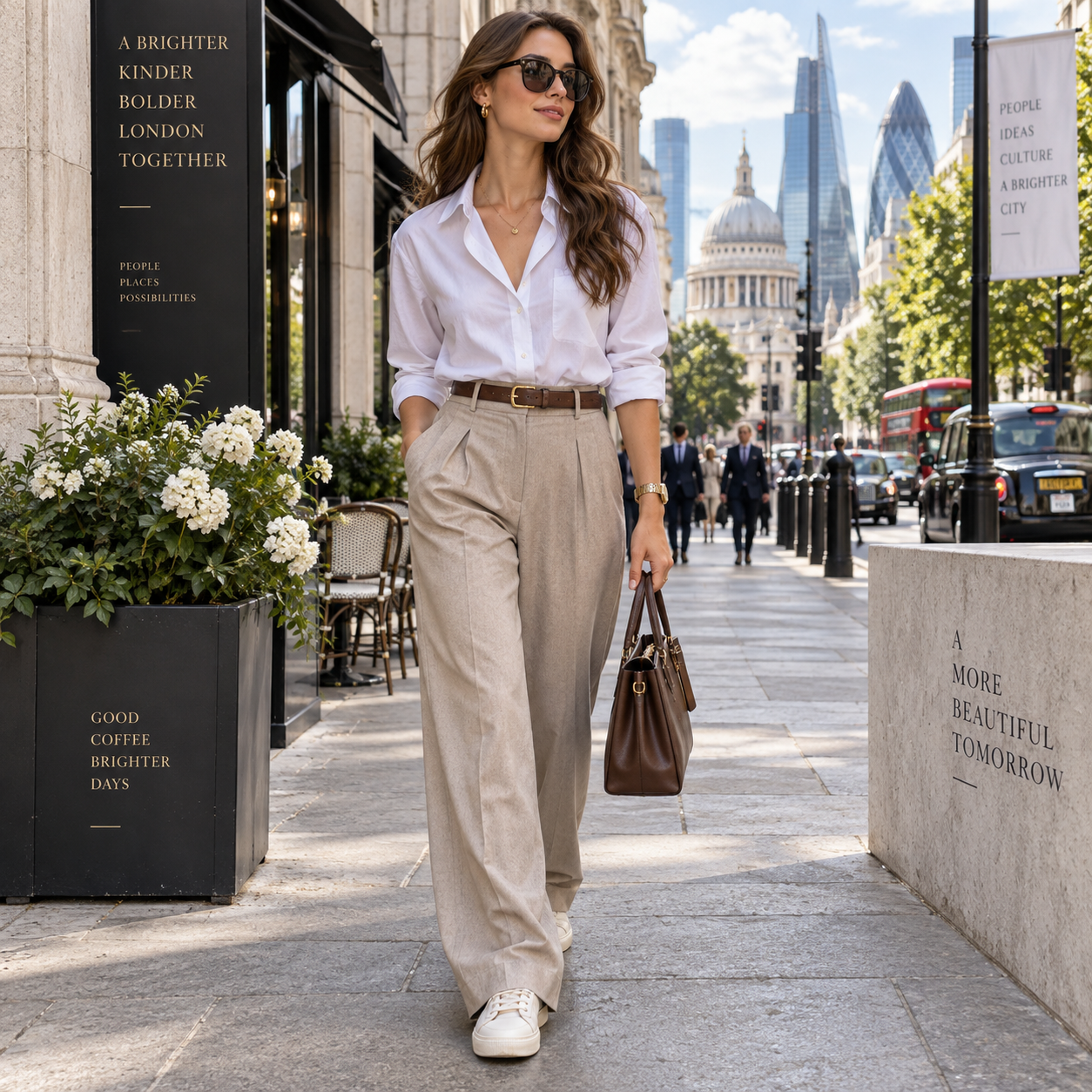
Gender-neutral fashion is becoming an increasingly visible option in women’s wear, offering more ways to dress around comfort, shape, and personal taste. A relaxed blazer, straight-leg trousers, or roomy button-down can feel polished without relying on traditionally feminine cuts or details.
The approach is flexible rather than prescriptive. You can build an androgynous look from head to toe, borrow a few unisex clothing staples, or mix tailored pieces with a skirt, jewelry, or a favorite color. The useful question is not whether an outfit fits a category, but whether its proportions and fit work for you.
What Gender-Neutral Fashion Means in Women’s Wear
Gender-neutral fashion in women’s wear uses clothing and design choices that are not defined exclusively by traditional ideas of men’s or women’s clothing. It may include shared styles, adaptable cuts, and details that let the wearer decide how a garment feels and looks.
That does not mean every item has to be oversized, plain, or completely free of shaping. A gender-neutral piece might be a sharply cut blazer, a straight-leg trouser, or a soft knit with a simple neckline. The distinction lies in how the design is presented and worn, rather than in one required silhouette.
Unisex clothing is often designed or marketed for people of different genders, while gender-neutral fashion is a broader styling approach. A woman might wear a unisex shirt as intended, or choose a women’s-cut jacket for its clean lines and style it in an androgynous way. The terms overlap, but they are not interchangeable.
Likewise, androgynous style is one possible expression of gender-neutral dressing, not a dress code. Some people prefer crisp tailoring and minimal details; others combine relaxed shapes with traditionally feminine accessories. Gender-neutral clothing can make room for both.
Why Gender-Neutral Style Is Gaining Visibility
Gender-neutral style is gaining visibility because many people want more choice in how clothing expresses identity, supports movement, and fits everyday life. Its appeal does not depend on abandoning femininity or following a single trend.
Clothing is a practical decision as much as an aesthetic one. Someone may prefer a looser shirt for ease, a straight trouser because it suits their routine, or a blazer that works across several settings. Gender-neutral options can make those choices easier to find, especially when a shopper wants to focus on fabric, cut, and function instead of a gendered label.
Comfort also involves more than roominess. Fabric weight, waistband placement, sleeve length, and how a garment moves all affect whether it feels good to wear. A relaxed silhouette can be freeing, but it can also feel cumbersome if the shoulders drop too far or the fabric overwhelms the wearer.
For women’s wear, the growing visibility of these styles offers a wider styling vocabulary. A woman can wear traditionally feminine clothes one day and relaxed tailoring the next, or combine the two in one outfit. Personal style stays in the wearer’s hands; gender-neutral pieces are options, not rules.
Key Pieces That Make the Look Work
Versatile wardrobe staples make gender-neutral fashion easy to try without replacing your closet. Start with pieces that work with clothes you already own, such as relaxed shirts, tailored trousers, simple layers, and a well-proportioned blazer.
- Relaxed button-down shirt: Try a cotton or linen shirt with enough ease to layer over a tank or tee. A slightly dropped shoulder can feel relaxed; sleeves that cover most of your hands may be harder to style.
- Tailored trousers: Straight-leg or wide-leg cuts offer a clean line and can pair with sneakers, loafers, or heeled shoes. Check the rise and waist measurement rather than choosing by leg shape alone.
- Blazer: A single-breasted blazer with a simple closure can bring structure to a casual outfit. Look for shoulder seams that sit near your natural shoulder unless a deliberately oversized effect is the goal.
- Plain tee or knit: A crew-neck T-shirt, fine-gauge sweater, or sleeveless knit forms an easy base. These layers balance more structured trousers and jackets.
- Simple outerwear: A chore jacket, minimal coat, or clean-lined overshirt adds another layer without competing with the rest of the outfit.
Color can make these pieces feel more or less formal. Black, navy, gray, cream, and olive are easy to combine, but there is no requirement to keep a gender-neutral wardrobe neutral in color. A saturated shirt or patterned scarf can add personality while the silhouette stays simple.
How to Style Gender-Neutral Pieces
To style gender-neutral pieces, balance volume, add layers with intention, and use color or accessories to give the outfit a clear point of view. A small change in proportion, such as showing a wrist or defining the waist, can make a roomy silhouette feel considered.
Try proportion pairing: Wear wide-leg trousers with a closer-fitting tee, or pair a relaxed shirt with a straighter skirt. If you prefer more volume, keep one area visible: roll the sleeves, tuck the front of the shirt, or choose a hem that stops above the shoe.
Use layers to build shape: A tee beneath an open shirt and blazer creates depth without requiring a tight fit. In cooler weather, a fine knit under a roomy jacket adds warmth while keeping the outline clean. Avoid adding several bulky layers at once if they restrict movement.
Choose accessories deliberately: A belt can define the waist, while a structured bag or simple watch can reinforce a tailored feel. Earrings, a scarf, or a bright shoe can bring a softer or more expressive note. The contrast is useful, but it is never compulsory.
- Everyday: Straight trousers, a tucked-in tee, an open overshirt, and sneakers.
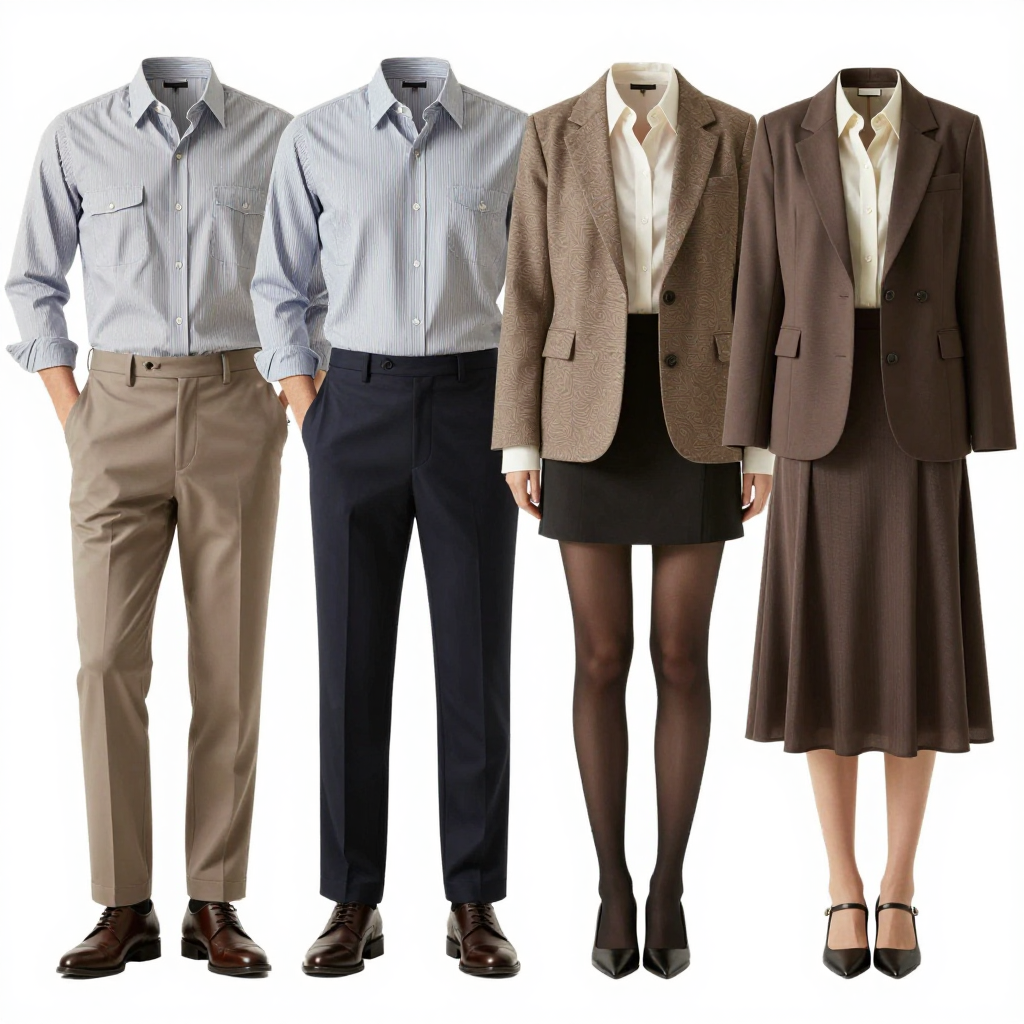
- Work-ready: Relaxed blazer, clean knit, tailored trousers, and loafers; adjust the fabric and finish to your workplace.
- Softly mixed: A roomy button-down with a midi skirt, slim belt, and ankle boots.
- Weekend layering: Wide-leg jeans, a simple top, and a boxy jacket with sleeves pushed up.
Fit, Sizing, and Shopping Considerations
Choose gender-neutral clothing by comparing garment measurements, cut, and comfort with clothes you already own. Size labels alone are unreliable across brands, and a unisex size chart may use different measurements from a women’s size chart.
Before ordering, check the garment’s chest, shoulder, waist, hip, and inseam measurements where provided. Measure a similar item that fits you well while it is laid flat, then compare the figures with the brand’s chart. For a shirt or blazer, shoulder placement and sleeve length often determine whether the piece looks intentionally relaxed or simply too large.
Think about the fit you want in each area. If you need room through the hips, sizing up may help in trousers, but it can also create excess fabric at the waist. A different cut or a tailor’s adjustment may work better. For jackets, make sure you can move your arms and comfortably layer what you plan to wear underneath.
Fabric affects fit, too. A stiff cotton shirt holds a boxier shape; a fluid fabric drapes closer to the body. Stretch can improve ease, while a non-stretch tailored trouser may need more precise measurements. When possible, assess a garment standing, sitting, and walking. Comfort is a fit test, not a size number.
Returns, alterations, and size availability also matter. A piece that needs a simple hem may be worth keeping; a jacket that pulls across the back is harder to fix. If a brand provides garment measurements or fit notes, use them rather than assuming that all oversized or unisex styles fit the same way.
Making the Style Your Own
Make gender-neutral fashion your own by starting with one piece that suits your routine, then styling it with the clothes and details you already love. The goal is a wardrobe that feels usable and personal, not a uniform assembled from trend checklists.
Begin with a simple audit: Which outfits do you reach for most? What feels restrictive, fussy, or difficult to combine? If you often wear jeans and a fitted top, try a relaxed blazer over that familiar base. If you prefer dresses, a boxy jacket or flat shoes can add a more androgynous note without changing the entire outfit.
It helps to think in three parts: shape, function, and signature. Shape is the silhouette you enjoy; function is what the clothes need to do in your day; signature is the color, texture, accessory, or detail that makes the look yours. A piece earns its place when it works across these three areas, even if it does not fit a trend label.
There is no need to buy a complete capsule wardrobe at once. Test one shirt or trouser with several existing outfits, notice how it feels after a full day, and make your next choice based on that experience. Gender-neutral fashion works best when it expands your options while respecting your fit needs, budget, and taste.
Frequently Asked Questions
Is gender-neutral fashion the same as unisex clothing?
No. Unisex clothing is generally designed or marketed for people of different genders, while gender-neutral fashion describes a wider approach to choosing and styling clothes without relying on traditional gender rules. You can wear unisex clothing without building a fully androgynous outfit.
How can women style oversized clothing without losing shape?
Balance an oversized piece with a more defined element. Pair a roomy shirt with straight trousers, tuck or half-tuck the front, roll the sleeves, add a belt, or choose a shorter hem. You can also keep the volume intentional by checking shoulder, sleeve, and trouser lengths.
What are good gender-neutral wardrobe basics?
Useful basics include a relaxed button-down shirt, straight-leg trousers, a simple tee or knit, a clean-lined blazer, and versatile outerwear. Choose fabrics and colors that work with your existing wardrobe, then add accessories that reflect your personal style.
How should I choose the right fit when shopping?
Compare garment measurements with a similar item you own, then check the cut, fabric, and intended ease. For tops and jackets, pay close attention to shoulders and sleeves; for trousers, check the waist, rise, hip, and inseam. Move around in the garment when possible, and use the size chart instead of relying only on the label.